
Oil Basics
What Natural Beauty Means: Reading Botanical Claims Clearly
A clear guide to natural, plant-derived, pure and organic beauty language, with practical questions about formulas, evidence and thoughtful skin and hair care.
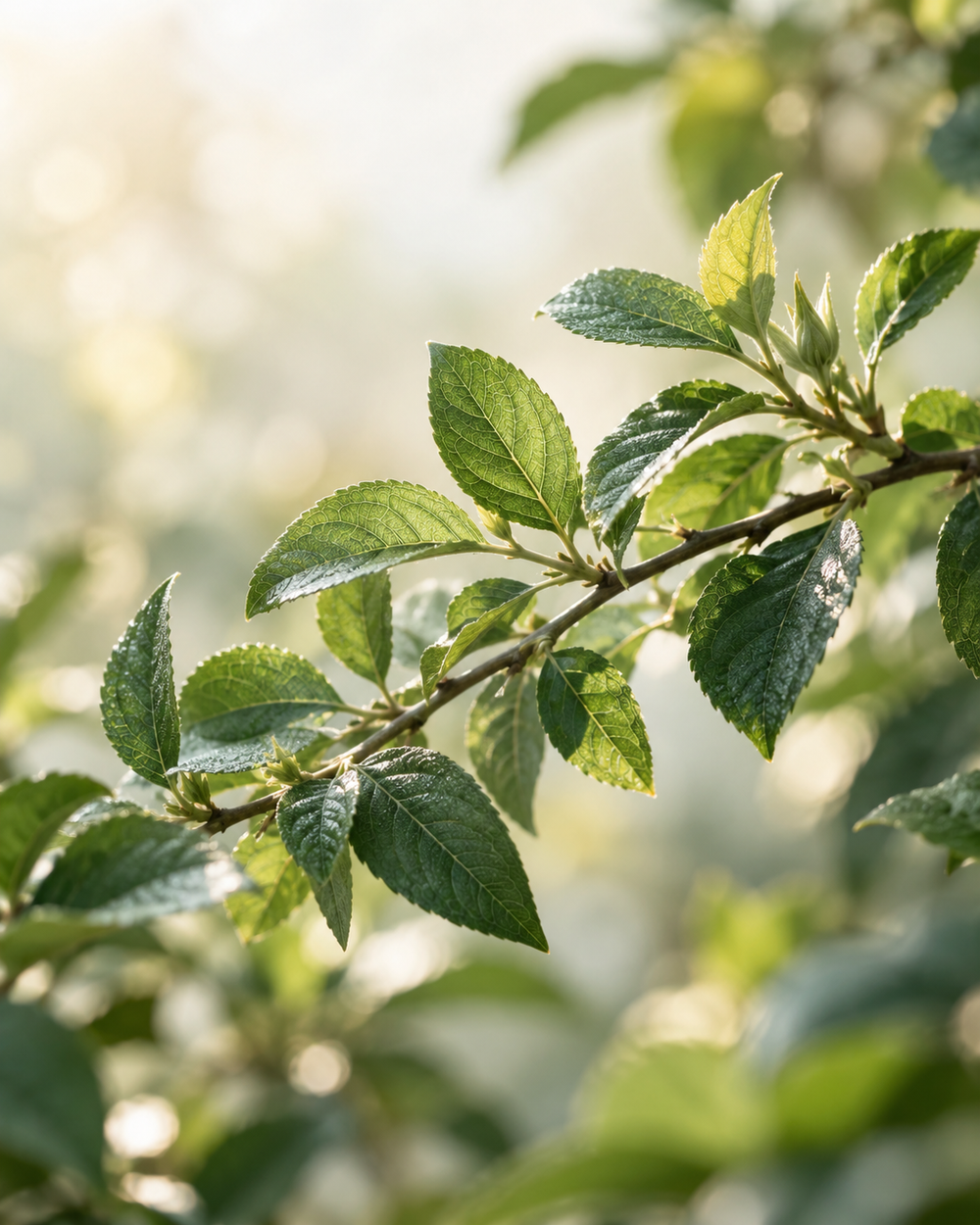
Nature as an inspiration for everyday care
At SHYWAY, “A little closer to nature” is a way to connect botanical curiosity with everyday rituals. Plants, light and oil-based care shape our visual language and the questions we explore in this journal. That philosophy can stand on its own without a promise that every formula is entirely natural.
It is useful to separate a brand’s inspiration from facts about a particular bottle. The words used in an ingredient story should not quietly become an origin claim, a certification or a clinical result.
Four terms, four different questions
| Term | A useful question to ask |
|---|---|
| Botanical inspiration | How do plants inform the story and product direction? |
| Plant-derived | Which actual ingredients are derived from plants, and how is that defined? |
| Pure or 100% natural | What exactly is being claimed, and what formula records support it? |
| Certified organic | Which certification covers the product or ingredient, and can it be checked? |
Why natural is not a safety test
The FDA explains that an essential oil or fragrance being natural or organic does not by itself make it safe. Ingredient identity, formulation and intended use matter. Read the FDA’s discussion of aromatherapy products.
That does not make botanical care less interesting. It makes a complete ingredient list and clear directions more useful than a sweeping “chemical-free” slogan. Different people can also tolerate the same ingredient differently.
Read benefits at the right level
A plant’s history of use is not a finished-product study. Laboratory work is not the same as a human trial. A controlled trial of a specific preparation does not validate an unrelated blend. When reading a benefit, ask whether it describes aroma, cosmetic appearance, a tested ingredient or a tested product.
The journal uses those distinctions openly. Our rosemary guide explains a frequently shared research example, while our tea tree guide separates shampoo findings from hair-oil claims.
A considered way to choose
Look for transparent product information, realistic cosmetic language and a routine that suits the intended application. You can value plants and enjoy a beautiful bottle while still asking practical questions about the full formula, directions and evidence.
We do not infer that SHYWAY products are 100% natural, certified organic, fragrance-free or clinically proven from their botanical names. Product-specific assertions need corresponding records. Explore our botanical story for the philosophy behind the brand.
Questions about natural beauty
Does botanical inspiration mean every ingredient is plant-derived?
No. It describes a point of view unless a specific, supported formula claim is made.
Is pure the same as ready to use?
No. Purity and intended-use format answer different questions. An essential-oil concentrate should not be treated as a finished skin product.
Can a brand feel natural without promising 100% natural formulas?
Yes. Thoughtful botanical storytelling and precise product facts can exist together.
Sources and reading
Sources consulted 27 October 2026. Written by SHYWAY Editorial as general cosmetic education, not medical advice or evidence of finished-product efficacy.